


How do medical products, through precision machining, forge a reliable foundation for safeguarding life?
Release Time : 2026-02-27
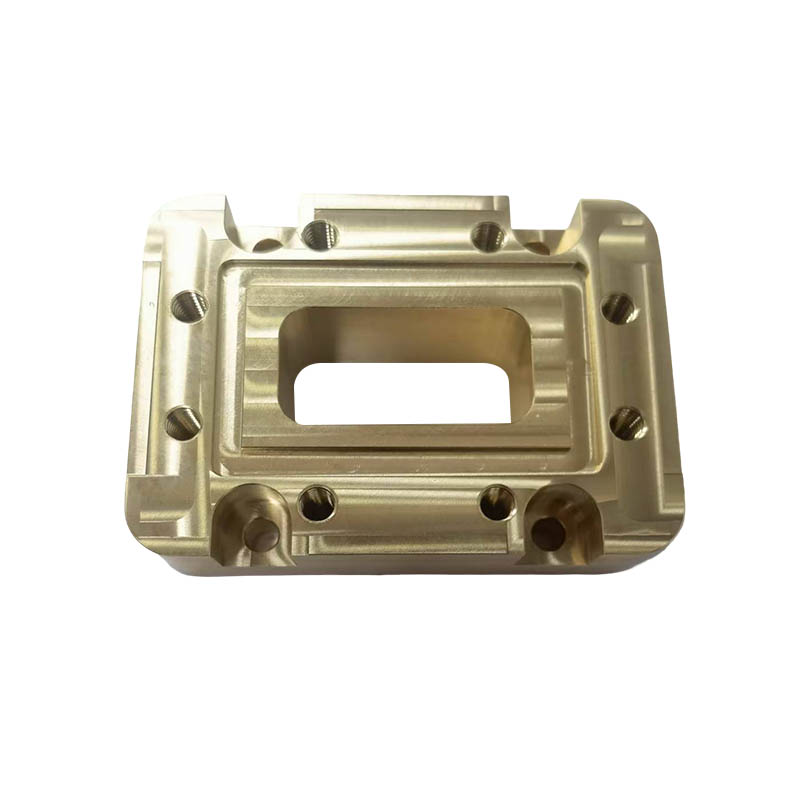
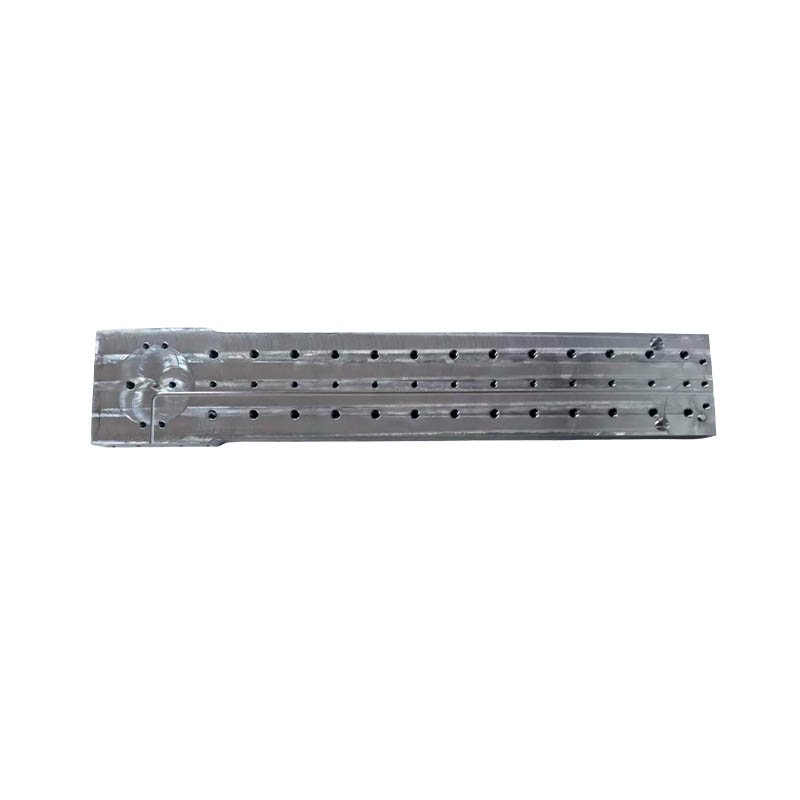
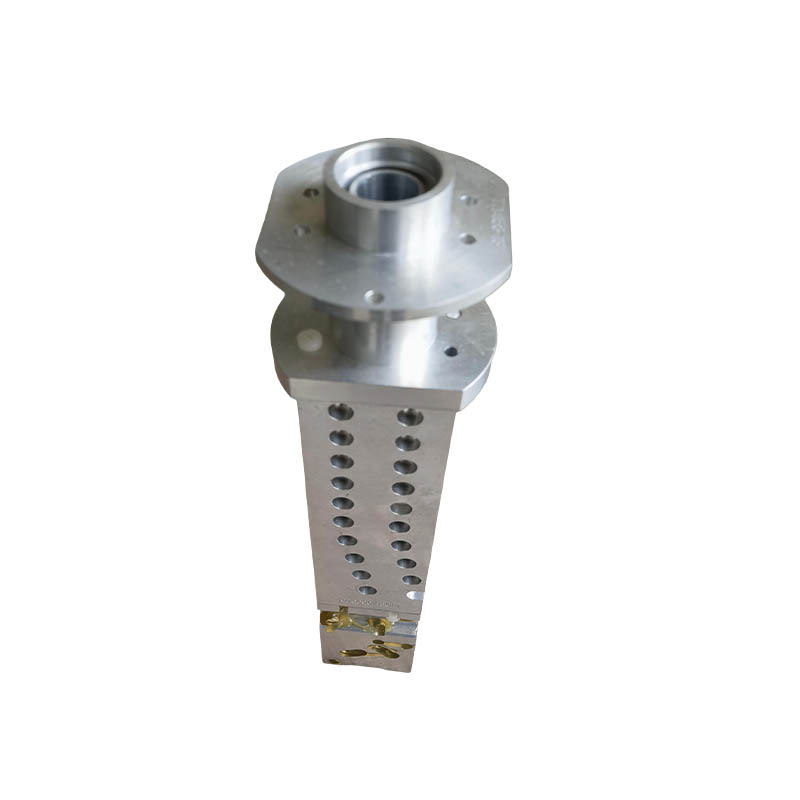
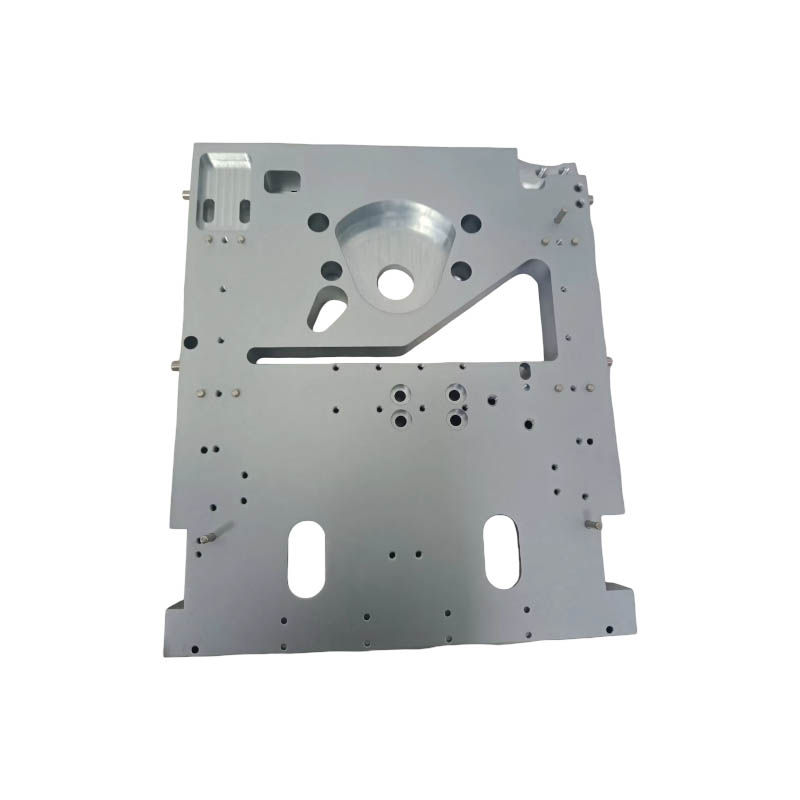
In the modern healthcare system, from diagnostic equipment to surgical instruments, from implants to rehabilitation devices, the performance and reliability of every medical product are directly linked to patient safety and treatment outcomes. Supporting the operation of these advanced medical devices are often those crucial, invisible yet intricately designed components—medical products are meticulously crafted using CNC machining and mechanical manufacturing technologies. With micron-level precision, excellent material compatibility, and stringent quality control, they silently build a trustworthy physical foundation for medical technology. These components, though not directly facing patients, are the most solid bridge between medicine and engineering.
The core advantage of medical products lies first and foremost in their relentless pursuit of "zero defects." Whether it's the rotary bearing in a CT scanner, the miniature drive shaft in an endoscope, or the titanium alloy femoral stem in an artificial joint, their manufacturing processes must be completed in a cleanroom with constant temperature and humidity. High-precision five-axis CNC machine tools, combined with supercarbide cutting tools, enable one-time forming of complex curved surfaces; slow wire EDM ensures burr-free and stress-free implant edges; surface treatments such as sandblasting, polishing, or bioactive coatings enhance biocompatibility and wear resistance. Every process adheres to international medical quality management systems such as ISO 13485, ensuring consistency across millions of products.
The selection of materials for medical products also reflects a high degree of responsibility for life. Medical-grade stainless steel, titanium alloys, cobalt-chromium-molybdenum alloys, and high-performance engineering plastics are widely used in various scenarios—the former possesses excellent corrosion resistance and mechanical strength, suitable for long-term implantation; the latter is lightweight and insulating, suitable for handheld devices or electronic components. All raw materials must provide complete and traceable biosafety reports, eliminating any components that may cause rejection or toxicity. This "materials are a responsibility" philosophy permeates the entire chain from procurement to finished product.
In terms of functionality, precision machining endows medical products with unprecedented capabilities. Minimally invasive surgical instruments feature joints that can maneuver flexibly within confined spaces; insulin pumps utilize micro-gear assemblies to ensure precise drug delivery; and dental implants feature optimized thread designs for optimal bone occlusion. Behind these performance characteristics lies countless iterations of tolerance analysis, finite element simulation, and clinical feedback. A dimensional deviation of 0.01 millimeters can affect the imaging clarity of the entire device; a tiny surface flaw can lead to implantation failure. Therefore, the testing process is equally rigorous—coordinate measuring machines, X-ray flaw detection, and cleanliness verification are all indispensable.
A deeper value lies in its driving force for both accessible healthcare and technological innovation. High-efficiency, high-consistency precision machining enables the mass production of high-end instruments, reducing operating costs; flexible manufacturing capabilities support personalized customization, such as 3D printing matching skull repair plates based on patient CT data; and modular design facilitates equipment upgrades and maintenance, extending service life. This not only brings advanced technology to grassroots hospitals but also provides doctors with more reliable tools, thus benefiting more patients.
In terms of sustainable development, many manufacturers are adopting green processes such as dry cutting and micro-lubrication to reduce cutting fluid pollution; sorting and recycling waste; reusing precious metals; and simplifying packaging to reduce their carbon footprint. "Cleanliness" in medical manufacturing refers not only to sterile products but also encompasses respect for the environment.
Though medical precision components are deeply embedded within equipment, they are the silent heroes safeguarding health. They use the coolness of metal to carry the warmth of life, and the precision of numbers to respond to the trust of doctors. When the operating lights illuminate and instruments are firmly held in the doctor's hands, behind the scenes, countless precision components work silently together—because true medical progress lies not in dazzling screens, but in every unseen yet absolutely reliable detail.
The core advantage of medical products lies first and foremost in their relentless pursuit of "zero defects." Whether it's the rotary bearing in a CT scanner, the miniature drive shaft in an endoscope, or the titanium alloy femoral stem in an artificial joint, their manufacturing processes must be completed in a cleanroom with constant temperature and humidity. High-precision five-axis CNC machine tools, combined with supercarbide cutting tools, enable one-time forming of complex curved surfaces; slow wire EDM ensures burr-free and stress-free implant edges; surface treatments such as sandblasting, polishing, or bioactive coatings enhance biocompatibility and wear resistance. Every process adheres to international medical quality management systems such as ISO 13485, ensuring consistency across millions of products.
The selection of materials for medical products also reflects a high degree of responsibility for life. Medical-grade stainless steel, titanium alloys, cobalt-chromium-molybdenum alloys, and high-performance engineering plastics are widely used in various scenarios—the former possesses excellent corrosion resistance and mechanical strength, suitable for long-term implantation; the latter is lightweight and insulating, suitable for handheld devices or electronic components. All raw materials must provide complete and traceable biosafety reports, eliminating any components that may cause rejection or toxicity. This "materials are a responsibility" philosophy permeates the entire chain from procurement to finished product.
In terms of functionality, precision machining endows medical products with unprecedented capabilities. Minimally invasive surgical instruments feature joints that can maneuver flexibly within confined spaces; insulin pumps utilize micro-gear assemblies to ensure precise drug delivery; and dental implants feature optimized thread designs for optimal bone occlusion. Behind these performance characteristics lies countless iterations of tolerance analysis, finite element simulation, and clinical feedback. A dimensional deviation of 0.01 millimeters can affect the imaging clarity of the entire device; a tiny surface flaw can lead to implantation failure. Therefore, the testing process is equally rigorous—coordinate measuring machines, X-ray flaw detection, and cleanliness verification are all indispensable.
A deeper value lies in its driving force for both accessible healthcare and technological innovation. High-efficiency, high-consistency precision machining enables the mass production of high-end instruments, reducing operating costs; flexible manufacturing capabilities support personalized customization, such as 3D printing matching skull repair plates based on patient CT data; and modular design facilitates equipment upgrades and maintenance, extending service life. This not only brings advanced technology to grassroots hospitals but also provides doctors with more reliable tools, thus benefiting more patients.
In terms of sustainable development, many manufacturers are adopting green processes such as dry cutting and micro-lubrication to reduce cutting fluid pollution; sorting and recycling waste; reusing precious metals; and simplifying packaging to reduce their carbon footprint. "Cleanliness" in medical manufacturing refers not only to sterile products but also encompasses respect for the environment.
Though medical precision components are deeply embedded within equipment, they are the silent heroes safeguarding health. They use the coolness of metal to carry the warmth of life, and the precision of numbers to respond to the trust of doctors. When the operating lights illuminate and instruments are firmly held in the doctor's hands, behind the scenes, countless precision components work silently together—because true medical progress lies not in dazzling screens, but in every unseen yet absolutely reliable detail.