


Heat-resistant, corrosion-resistant, and high-strength—CNC precision machining ensures the reliability of core hardware components in microwave products
Release Time : 2025-12-01
In modern kitchen appliances, microwave products, despite their compact structure, place extremely stringent performance requirements on their internal hardware components: they must withstand long-term high-temperature radiation, moisture corrosion, high-frequency electromagnetic fields, and repeated mechanical stress. As key components supporting the cavity, fixing the magnetron, guiding the turntable, or shielding against microwave leakage, these hardware components, though "invisible," are the core guarantee for the overall safety, lifespan, and energy efficiency of the machine. CNC precision machining technology, with its high precision, high consistency, and material adaptability, is the preferred process for microwave product hardware components, laying a solid foundation for the product's reliability in achieving a three-in-one combination of "heat resistance, corrosion resistance, and high strength."
1. Precise Forming, Releasing the Intrinsic Properties of Materials
Core hardware components of microwave products are mostly made of stainless steel, galvanized steel sheet, or special heat-resistant alloys. These materials themselves possess excellent oxidation resistance, corrosion resistance, and high-temperature strength properties. However, rough machining, large dimensional deviations, or the presence of burrs and residual stress will significantly weaken its service performance. CNC machining, through digital programming and multi-axis linkage control, can achieve micron-level precision cutting of complex contours, ensuring high consistency between part geometry and assembly tolerances. More importantly, CNC technology avoids the material tearing, uneven hardening, or edge cracking problems that can occur with traditional stamping, fully preserving the dense structure of the metal matrix, thereby maximizing the material's inherent heat resistance and mechanical strength.
2. High-Temperature Resistant Structure, Protecting the "Heart" of Microwave Products
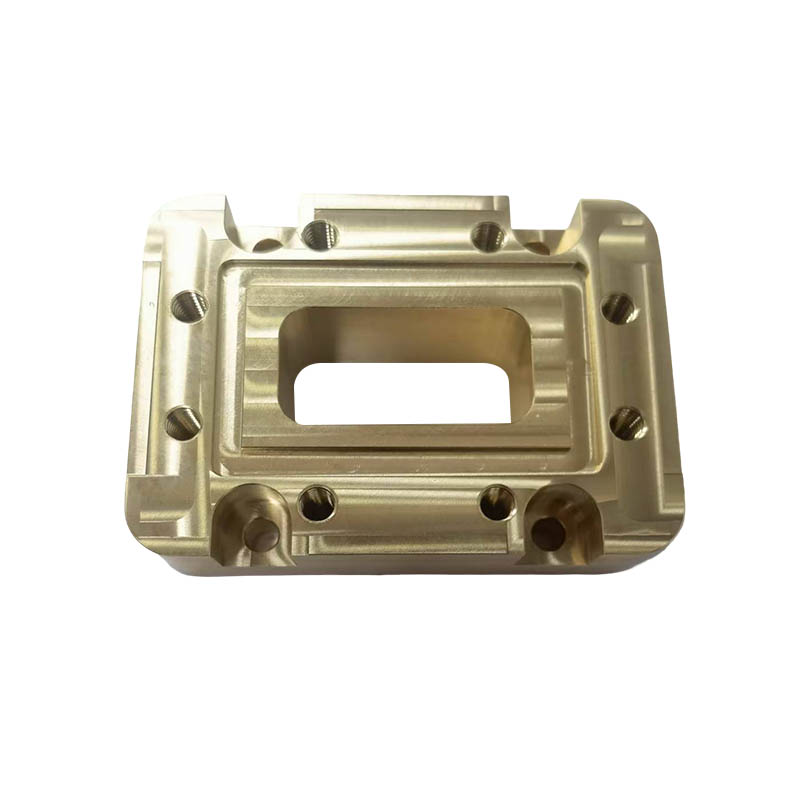
During operation, the temperature near the magnetron of microwave products can reach over 150°C, and the cavity reflector is constantly exposed to an environment of 80–120°C. CNC machining can precisely manufacture supports and housings with reinforcing ribs, heat dissipation fins, or heat-insulating grooves, optimizing heat flow paths and preventing localized overheating and deformation. For example, the mounting base used to fix the magnetron needs to maintain dimensional stability at high temperatures to ensure accurate microwave emission direction. The CNC-milled structure not only boasts high rigidity but also ensures seamless connection with cooling fans and waveguides through precision holes, eliminating performance degradation or safety hazards caused by thermal expansion misalignment.
3. Corrosion-resistant design for high-humidity, high-salt kitchen environments
Kitchen environments are characterized by high humidity and frequent contact with cleaning agents, food vapors, and even salt spray, posing a challenge to the corrosion resistance of hardware components. CNC machining precisely controls surface roughness, reducing micro-pits to inhibit the adhesion of corrosive media. Simultaneously, high-precision tapping and deburring ensure uniform coverage of subsequent electroplating, spraying, or passivation coatings, without gaps or peeling. Some high-end products even utilize CNC direct machining of more corrosion-resistant stainless steel parts, eliminating the need for surface treatment and fundamentally improving long-term rust resistance, extending the overall service life of the machine.
4. High Strength and Lightweight Synergy Enhance Overall Reliability
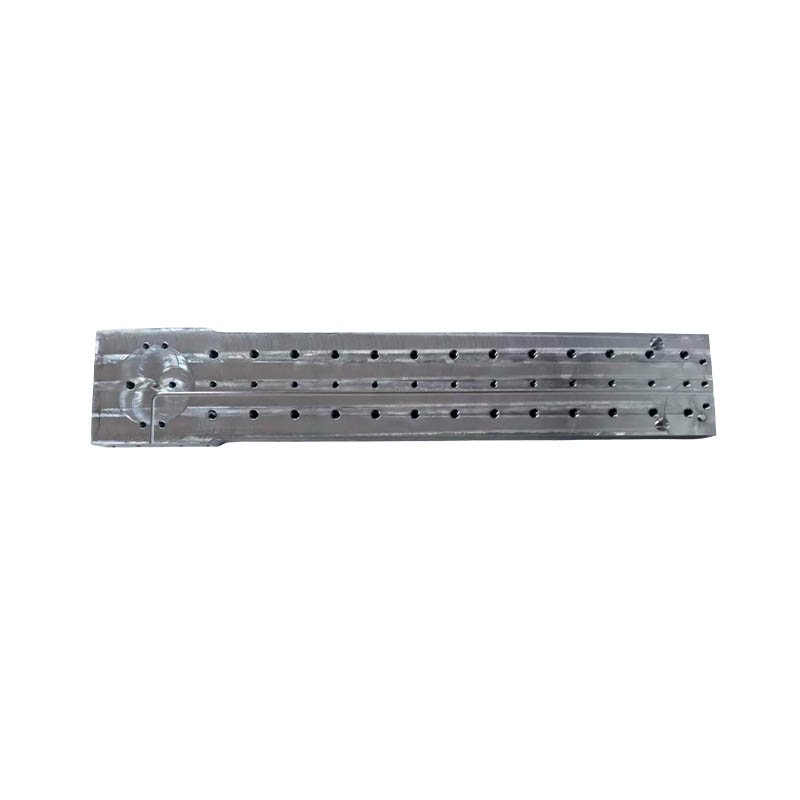
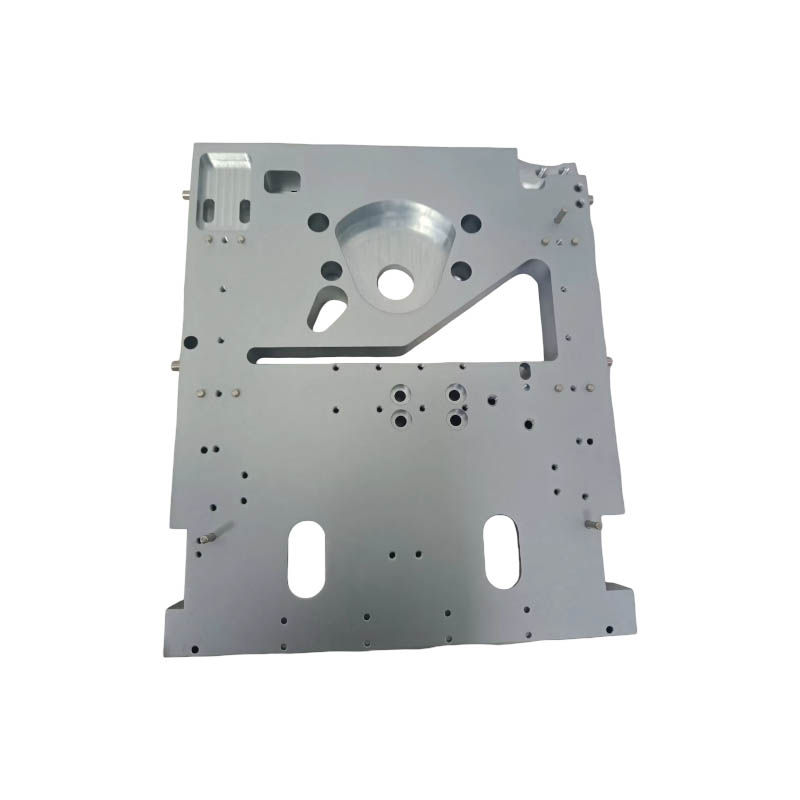
While ensuring functionality, the hardware components of microwave products also need to be lightweight to reduce overall weight and cost. CNC machining supports topology optimization design—precisely removing redundant material in non-load-bearing areas to create hollow or honeycomb structures, reducing weight while maintaining overall rigidity through rationally placed reinforcing ribs. This intelligent subtractive manufacturing, which is "strong where it should be strong and light where it should be light," allows the hardware components to maintain structural integrity even when subjected to dynamic loads such as frequent door opening and closing impacts and turntable motor vibrations, effectively preventing loosening, abnormal noises, or failure.
The CNC precision machining of the core hardware components of microwave products is not only an upgrade in manufacturing methods but also a reflection of quality philosophy. It activates the potential of materials with digital precision and delivers the performance promise of "heat resistance, corrosion resistance, and high strength" with rigorous processes, ensuring that every microwave product operates stably, safely, and efficiently under the daily test of high temperature and humidity.
1. Precise Forming, Releasing the Intrinsic Properties of Materials
Core hardware components of microwave products are mostly made of stainless steel, galvanized steel sheet, or special heat-resistant alloys. These materials themselves possess excellent oxidation resistance, corrosion resistance, and high-temperature strength properties. However, rough machining, large dimensional deviations, or the presence of burrs and residual stress will significantly weaken its service performance. CNC machining, through digital programming and multi-axis linkage control, can achieve micron-level precision cutting of complex contours, ensuring high consistency between part geometry and assembly tolerances. More importantly, CNC technology avoids the material tearing, uneven hardening, or edge cracking problems that can occur with traditional stamping, fully preserving the dense structure of the metal matrix, thereby maximizing the material's inherent heat resistance and mechanical strength.
2. High-Temperature Resistant Structure, Protecting the "Heart" of Microwave Products
During operation, the temperature near the magnetron of microwave products can reach over 150°C, and the cavity reflector is constantly exposed to an environment of 80–120°C. CNC machining can precisely manufacture supports and housings with reinforcing ribs, heat dissipation fins, or heat-insulating grooves, optimizing heat flow paths and preventing localized overheating and deformation. For example, the mounting base used to fix the magnetron needs to maintain dimensional stability at high temperatures to ensure accurate microwave emission direction. The CNC-milled structure not only boasts high rigidity but also ensures seamless connection with cooling fans and waveguides through precision holes, eliminating performance degradation or safety hazards caused by thermal expansion misalignment.
3. Corrosion-resistant design for high-humidity, high-salt kitchen environments
Kitchen environments are characterized by high humidity and frequent contact with cleaning agents, food vapors, and even salt spray, posing a challenge to the corrosion resistance of hardware components. CNC machining precisely controls surface roughness, reducing micro-pits to inhibit the adhesion of corrosive media. Simultaneously, high-precision tapping and deburring ensure uniform coverage of subsequent electroplating, spraying, or passivation coatings, without gaps or peeling. Some high-end products even utilize CNC direct machining of more corrosion-resistant stainless steel parts, eliminating the need for surface treatment and fundamentally improving long-term rust resistance, extending the overall service life of the machine.
4. High Strength and Lightweight Synergy Enhance Overall Reliability
While ensuring functionality, the hardware components of microwave products also need to be lightweight to reduce overall weight and cost. CNC machining supports topology optimization design—precisely removing redundant material in non-load-bearing areas to create hollow or honeycomb structures, reducing weight while maintaining overall rigidity through rationally placed reinforcing ribs. This intelligent subtractive manufacturing, which is "strong where it should be strong and light where it should be light," allows the hardware components to maintain structural integrity even when subjected to dynamic loads such as frequent door opening and closing impacts and turntable motor vibrations, effectively preventing loosening, abnormal noises, or failure.
The CNC precision machining of the core hardware components of microwave products is not only an upgrade in manufacturing methods but also a reflection of quality philosophy. It activates the potential of materials with digital precision and delivers the performance promise of "heat resistance, corrosion resistance, and high strength" with rigorous processes, ensuring that every microwave product operates stably, safely, and efficiently under the daily test of high temperature and humidity.